Labor Shortage at Harvest? See How Mechanization Solves It
See how onion harvest mechanization cuts labor dependence, lowers costs, and delivers faster ROI for growers.
Labor Shortage at Harvest? See How Mechanization Solves It
Finding rural labor during harvest season is no longer an occasional problem. For onion growers, it directly affects operating costs, harvest pace, and ultimately the profitability of the crop.
In many regions, rural exodus has reduced the labor available in the field. At the same time, costs have become less predictable, and growers face constant pressure: harvest at the right time, maintain quality, and keep operations moving without relying on a large crew that may not even be available.
That is exactly why mechanization has become a strategic decision. More than replacing manual work, it brings predictability, productivity, and peace of mind to operations that need to run efficiently.
The biggest challenge for onion growers today
Onion harvest demands speed. When there are not enough people to handle each stage of the process, the consequences spread across the entire operation:
- delays in the harvest schedule
- higher costs from emergency hiring
- more strain on workforce management
- greater risk of losses from staying too long in the field
- difficulty maintaining consistency and productivity
In practice, growers are not only dealing with labor shortages. They also have to manage absences, turnover, training, logistics, and daily performance swings.
This dependence on large crews turns harvest into a stressful season. And the larger the planted area, the greater the impact of that instability tends to be.
Rural exodus and labor scarcity: a problem that keeps growing
In recent years, more workers have left the countryside in search of opportunities in urban areas. The result is clear: fewer people available for demanding seasonal jobs, especially tasks that require physical effort, a fast pace, and long hours.
For growers, that means competing for labor in an increasingly tight market. Hiring often happens at the last minute, with high costs and little predictability.
On top of that, when an operation depends on dozens of people, any absence can compromise performance. An incomplete crew is enough to reduce output and push harvest off schedule.
The hidden cost of depending on manual labor
When people talk about manual harvesting, they often think only about wages. But the real cost goes much further.
Key cost drivers include:
- labor charges and employment-related expenses
- transportation and meals for crews
- time spent on coordination and supervision
- lower predictability in daily output
- rework and operational losses
Together, these factors make the operation more expensive and harder to control. Instead of focusing energy on planning and growth, growers end up carrying a heavy management burden just to keep harvest moving.
Harvest delays are expensive
In agriculture, timing has direct value. When harvest is delayed because there are not enough workers, growers may face quality losses, more waste, and negative effects on commercialization.
Every day outside the ideal harvest window creates risk. And the problem is that growers cannot always react quickly when they depend entirely on manual labor.
With a mechanized operation, work gains consistency. That makes it easier to harvest with confidence, meet deadlines, and reduce exposure to field-related uncertainty.
How mechanization solves this in practice
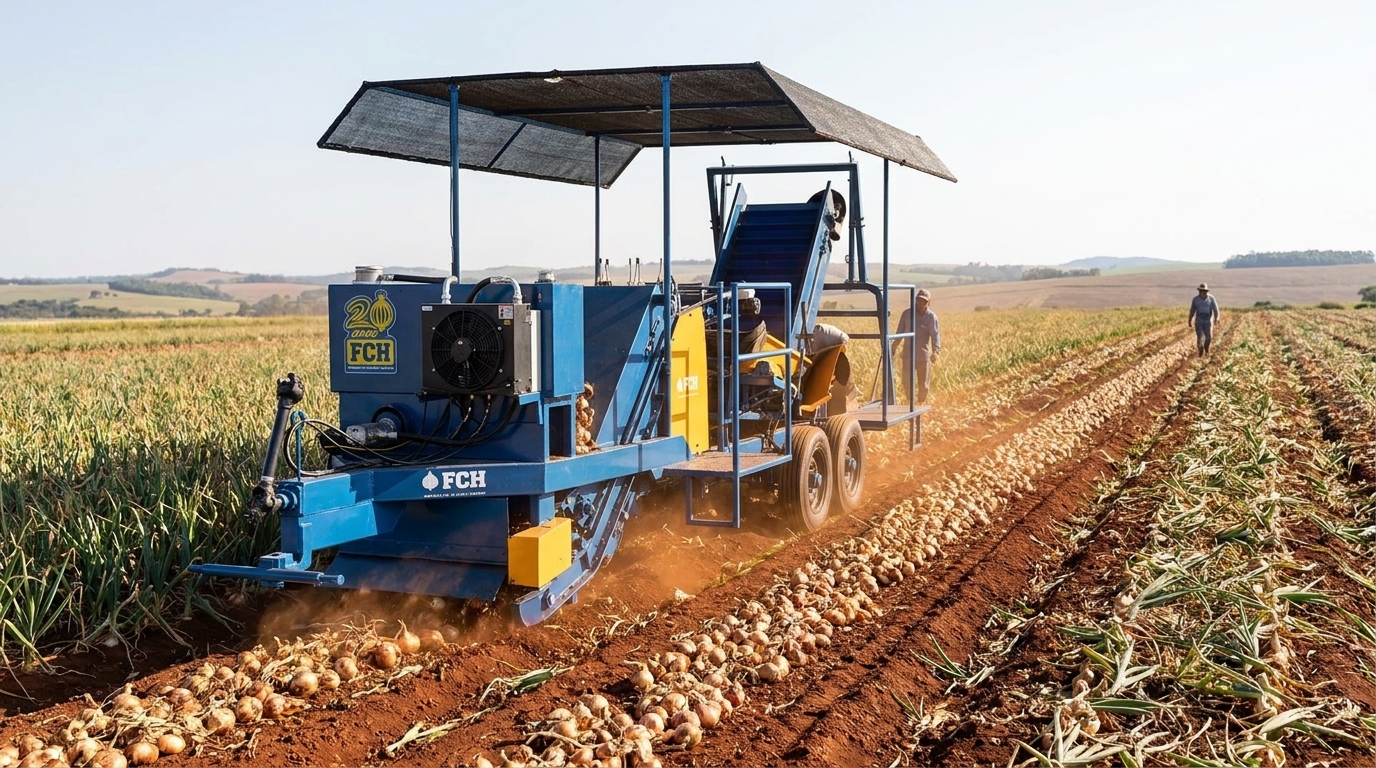
Mechanization changes the logic of harvest. Instead of relying on a large number of workers to perform heavy, repetitive tasks, growers can count on machines built to deliver performance, durability, and operational consistency.
In onion harvesting, that means replacing dozens of workers in critical stages of the process, dramatically reducing dependence on seasonal labor.
In practice, the main advantages include:
- less need for large crews
- higher productivity per working hour
- greater operational predictability
- lower costs across harvest seasons
- better use of the harvest window
- less management pressure on the grower
Mechanization is not only a way to do more with fewer people. It is a way to give operational control back to the farmer.
Less dependence, more productivity
When machines take over the heavy work, the operation gains scale. What once required many workers can be handled with a leaner, more organized, and more efficient structure.
That creates a direct productivity gain. But it also means something just as important: more stability.
Growers stop being held back by labor availability and start managing harvest with planning. That predictability improves the farm routine and creates more confidence to grow.
Cost reduction you can actually see
One of the biggest benefits of mechanization is its ability to reduce costs consistently over time.
Even when there is an initial investment, the savings tend to offset it quickly, especially on farms dealing with worker shortages and high seasonal labor expenses.
Savings can be seen on different fronts:
- lower spending on temporary hiring
- less need to mobilize large teams
- fewer losses caused by operational delays
- better efficiency in the use of time and resources
- better use of the crop's productive capacity
Over multiple seasons, that efficiency translates into stronger competitiveness and better financial returns.
Management relief for those leading the operation
Beyond operational gains, mechanization brings a benefit that is often underestimated: management relief.
Managing dozens of workers during harvest takes time, attention, and energy. You need to organize teams, monitor performance, handle absences, solve unexpected issues, and keep everything moving under pressure.
When the operation is mechanized, that burden decreases significantly. Growers can focus more on what truly matters:
- harvest planning
- operational quality
- maintaining harvest pace
- strategic business decisions
That improves efficiency and reduces the daily strain on the people running the farm.
Return on investment: why the numbers work fast
A common question among growers is: is mechanization worth the investment?
In most cases, the answer becomes clear when you add up the pressures of manual harvest. Once you consider labor costs, delay risks, hiring difficulties, and the need to maintain productivity during critical periods, investing in machinery quickly starts to make financial sense.
Return on investment tends to accelerate because mechanization:
- replaces a large amount of manual labor
- reduces recurring costs every season
- prevents losses caused by delayed harvest
- expands the farm's operational capacity
- supports a more predictable and sustainable operation
In other words, this is not just about buying a machine. It is about investing in autonomy, efficiency, and continuity for the farm.
FCH's role in modernizing onion harvest
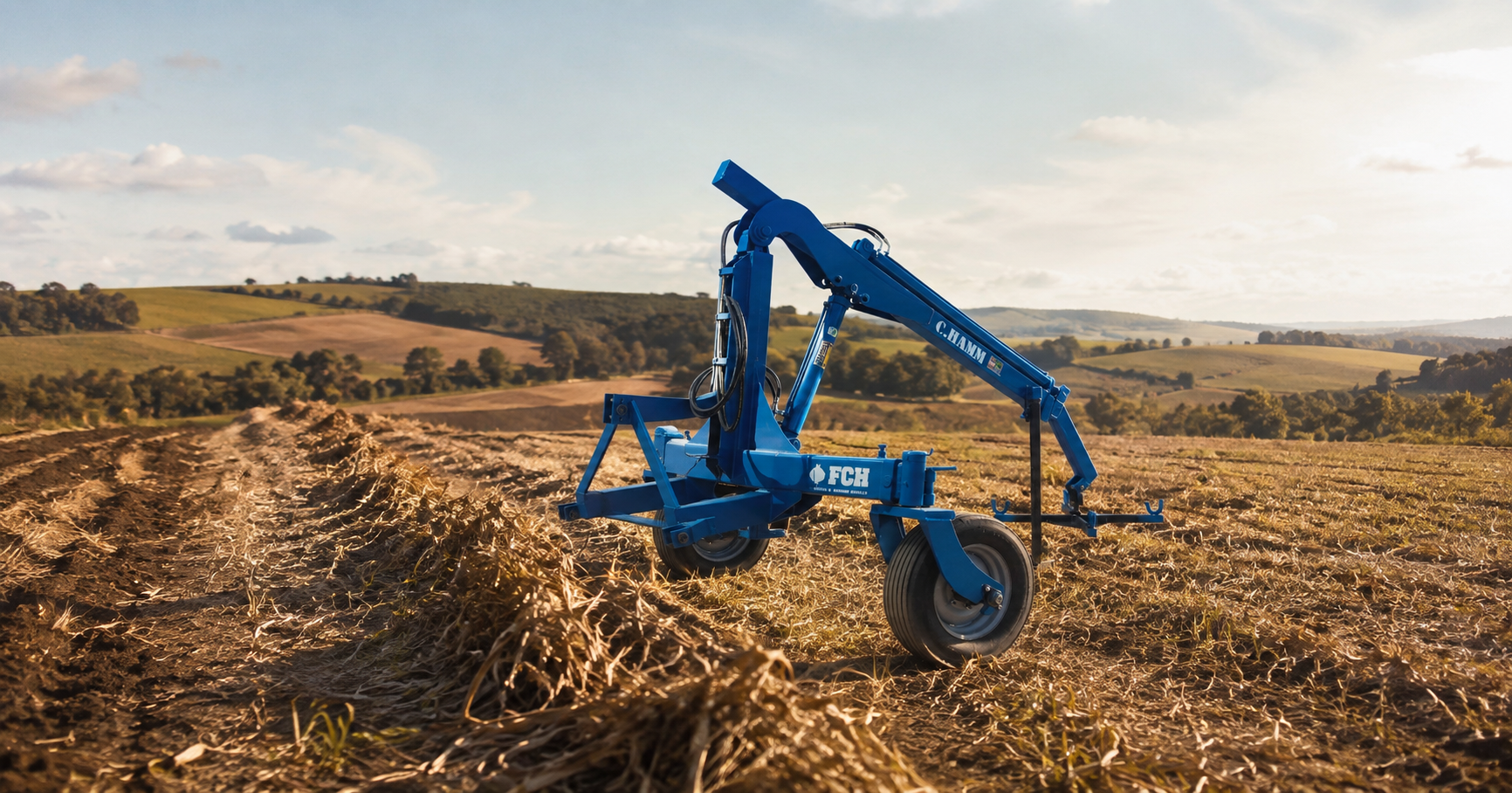
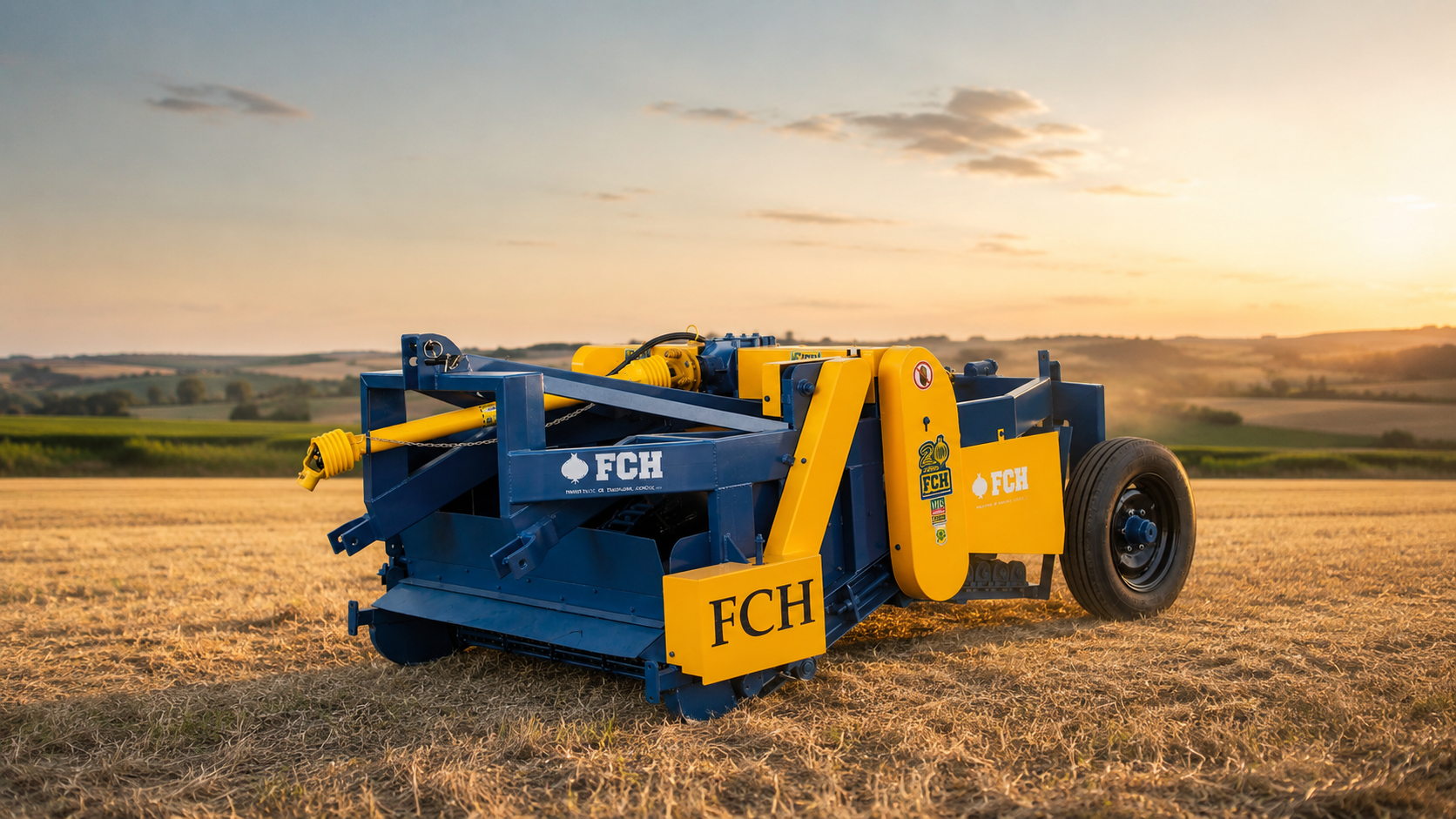
FCH Indústria de Máquinas Agrícolas built its path alongside growers, understanding the real challenges of the field up close. With more than two decades of experience, the company has become a national reference in mechanized onion harvesting, offering robust, reliable machines designed to increase day-to-day productivity.
That commitment comes from the brand's own origins. Founded by Mr. Vigand Hamm, FCH grew through a family-driven DNA, close relationships with farmers, and a constant search for solutions that modernize work in the field.
The company manufactures equipment focused on performance and durability, always aiming to simplify the grower's routine, reduce costs, and deliver confidence every harvest. It also offers a complete support ecosystem with excellent maintenance, genuine parts, and refurbishment services that restore used equipment productivity.
Another important differentiator is safety. FCH machines strictly follow NR 12 standards and requirements, reinforcing the brand's commitment to safer and more efficient operations.
Mechanizing is a decision for the future
Labor shortages at harvest are not a temporary difficulty. They are a growing reality that demands practical, strategic decisions.
For onion growers, mechanization means reducing dependence on large crews, lowering costs, increasing productivity, and gaining more control over the operation. It also means working with more peace of mind, less improvisation, and greater ability to respond during the most critical phase of the season.
Growers who mechanize are not just keeping up with the industry. They are building a stronger, more competitive, and more future-ready operation.
Count on FCH for a more efficient harvest
If labor shortages have been holding back your season, this may be the right time to turn that challenge into progress.
FCH is ready to help you modernize your harvest with robust, reliable machines designed for the real needs of onion growers.
Get in touch and learn more about FCH solutions:
- Address: Estrada Geral Rio Batalha, Ituporanga, Santa Catarina, Brazil, CEP 88400-000
- Phones: (47) 3533-3112 / (47) 98829-4318
- E-mail: [email protected]
- Social media: @fch.maquinasagricolas
With the right solution, harvest stops depending on uncertainty and starts running with productivity, safety, and confidence.