Onion Harvesting: Why Brazil, Australia and Turkey Are Mechanizing Now
Learn why labor shortages in onion harvesting are pushing mechanization in Brazil, Australia and Turkey.
Onion Harvesting: Why Brazil, Australia and Turkey Are Mechanizing Now
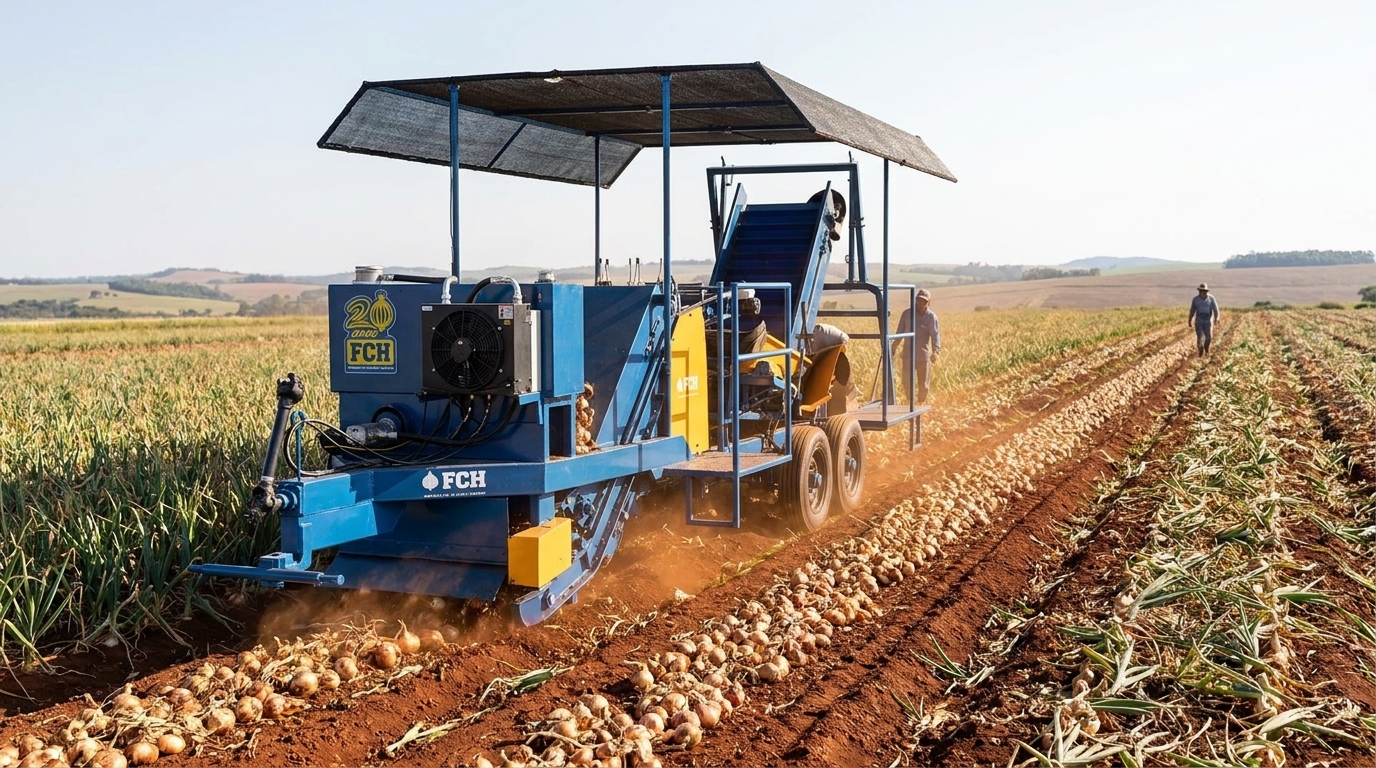
Onion harvesting is undergoing a decisive transformation worldwide. What was once seen as a regional issue has now become a global reality: finding enough labor for the most demanding harvesting tasks is getting harder every season.
In Brazil, many growers already deal with this challenge as part of everyday farm management. But the issue goes far beyond national borders. Countries such as Australia and Turkey are facing the very same pressure, which is why they are looking for more efficient, safer and more predictable solutions. In this environment, mechanization gains momentum, and FCHamm continues to expand internationally.
More than a trend, mechanized onion harvesting has become a strategic decision for securing productivity, reducing operational dependence and protecting farm competitiveness in the years ahead.
Labor shortage is not a local problem
Onion harvesting demands pace, physical effort and strong coordination. On many farms, especially during peak season, assembling teams large enough to handle the work has become a recurring challenge. And the issue is not only hiring. It is also about keeping the operation stable throughout the harvesting window.
This instability directly affects the grower. When there are not enough people to harvest, sort, separate and move the crop at the right time, delays, higher costs and lower efficiency quickly follow.
For years, many Brazilian growers viewed this as a domestic labor market issue. But as international trade expands and producers compare realities across countries, a bigger truth becomes clear: the shortage of labor for heavy harvest work is happening across continents.
Brazil, Australia and Turkey face the same pressure
Even with different agricultural realities, Brazil, Australia and Turkey share a common challenge in onion production: the need to harvest efficiently, on time and with less dependence on intensive manual labor.
In practice, the pattern repeats itself with local variations:
- growing difficulty in assembling harvest crews
- rising labor cost pressure
- the need to maintain operational standards in short harvest windows
- risk of losses when operations depend too heavily on labor availability
- demand for greater predictability in farm routines
When growers in different countries reach the same diagnosis, the conclusion also tends to be the same: reducing dependence on heavy manual labor and moving toward mechanized processes is the safest path forward.
That is exactly why demanding markets such as Australia and Turkey are importing FCHamm equipment. They are not just buying a machine. They are investing in a practical response to a bottleneck that threatens productivity, cost control and operational continuity.
Why mechanization has become a priority
Mechanization is not simply about replacing manual effort. It is about building a smarter, more standardized and more scalable operation.
In onion harvesting, mechanization delivers important gains:
1. More operational predictability
When the farm depends less on building large crews for heavy tasks, planning becomes more reliable. Growers can organize the harvest window more effectively, reduce improvisation and respond faster to seasonal demands.
2. Less pressure on labor
Labor shortages hit the most physically demanding stages first. By mechanizing, growers reduce dependence on these critical functions and can redirect people to activities that add more control and value to the process.
3. Higher productivity in the field
Productivity is not only about harvesting faster. It is about maintaining flow, rhythm and consistency. Well-designed equipment helps sustain operations with greater stability and supports overall farm performance.
4. Lower risk of losses caused by delays
Onions require careful timing and proper handling. When harvest is delayed because crews are unavailable, the entire production chain can be affected. Mechanization lowers this risk and strengthens execution within the ideal window.
5. Competitiveness for today and tomorrow
Growers who mechanize are not only solving an immediate challenge. They are positioning themselves to compete in a more demanding market with tighter margins and less tolerance for inefficiency.
FCHamm’s international growth confirms the shift in the sector
When a Brazilian company specialized in mechanized onion harvesting starts serving customers in other countries, it is not by chance. This movement shows that the problem is real, shared and urgent.
FCHamm’s presence in markets such as Australia and Turkey shows that mechanization is no longer an occasional decision. It has become part of the long-term strategy of growers who are planning ahead.
This international recognition also reinforces something important for Brazilian producers: the solution developed here, from real field experience, is relevant in other parts of the world because it addresses similar operational pain points.
FCHamm’s journey was built by listening to growers, understanding harvest challenges and developing robust, reliable machines designed for real operating conditions. Rooted in Ituporanga, in the Alto Vale do Itajaí region of Santa Catarina, the company has grown while preserving its family DNA and its commitment to driving progress in the field through quality and close customer relationships.
What growers can learn from this global movement
There is a very clear strategic lesson here: if growers across continents are accelerating mechanization to protect their operations, waiting too long may mean losing efficiency and competitiveness.
Mechanization should not be seen only as modernization. It should be understood as risk management and long-term vision.
Key lessons from this international movement include:
- labor shortages are likely to keep pressuring harvest operations
- farms that rely too heavily on manual effort are more vulnerable
- sustainable productivity requires process, technology and reliability
- well-applied mechanization reduces operating costs over time
- early movers gain more security to grow
Mechanization is a global trend and a local competitive advantage
For Brazilian growers, perhaps the most important takeaway is this: mechanized onion harvesting is not an isolated bet, nor a solution made only for large international markets. It is already part of a global shift toward more efficient production.
If Australia and Turkey, just like Brazil, are struggling to sustain heavy harvest work based on abundant labor, then the direction of the sector is clear. The future belongs to operations that are more organized, more technical and more capable of sustaining performance with less instability.
In this context, investing in reliable, safe agricultural machinery designed for high productivity is no longer a secondary advantage. It becomes one of the foundations of competitiveness.
FCHamm’s role in this new chapter of onion farming
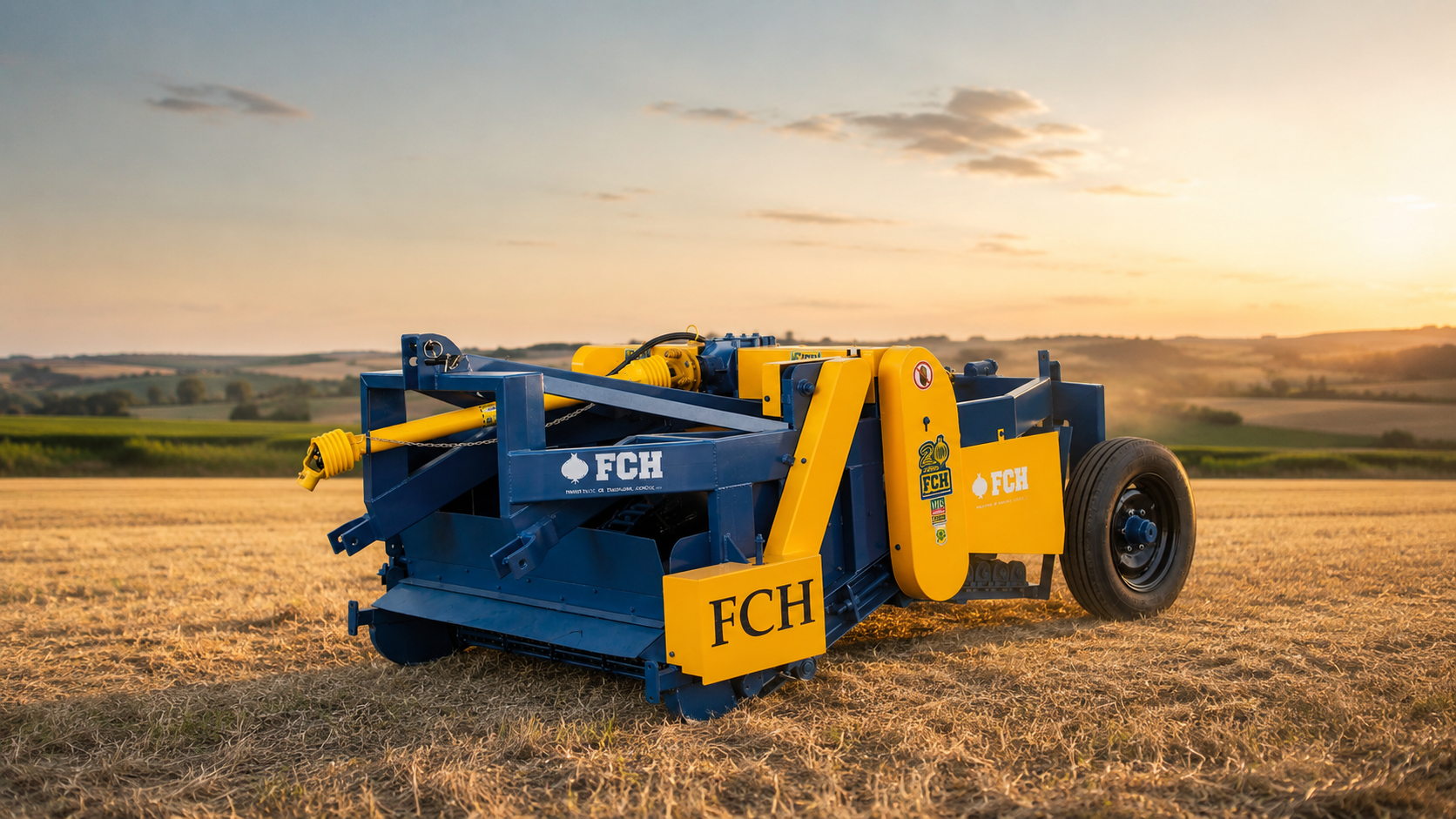
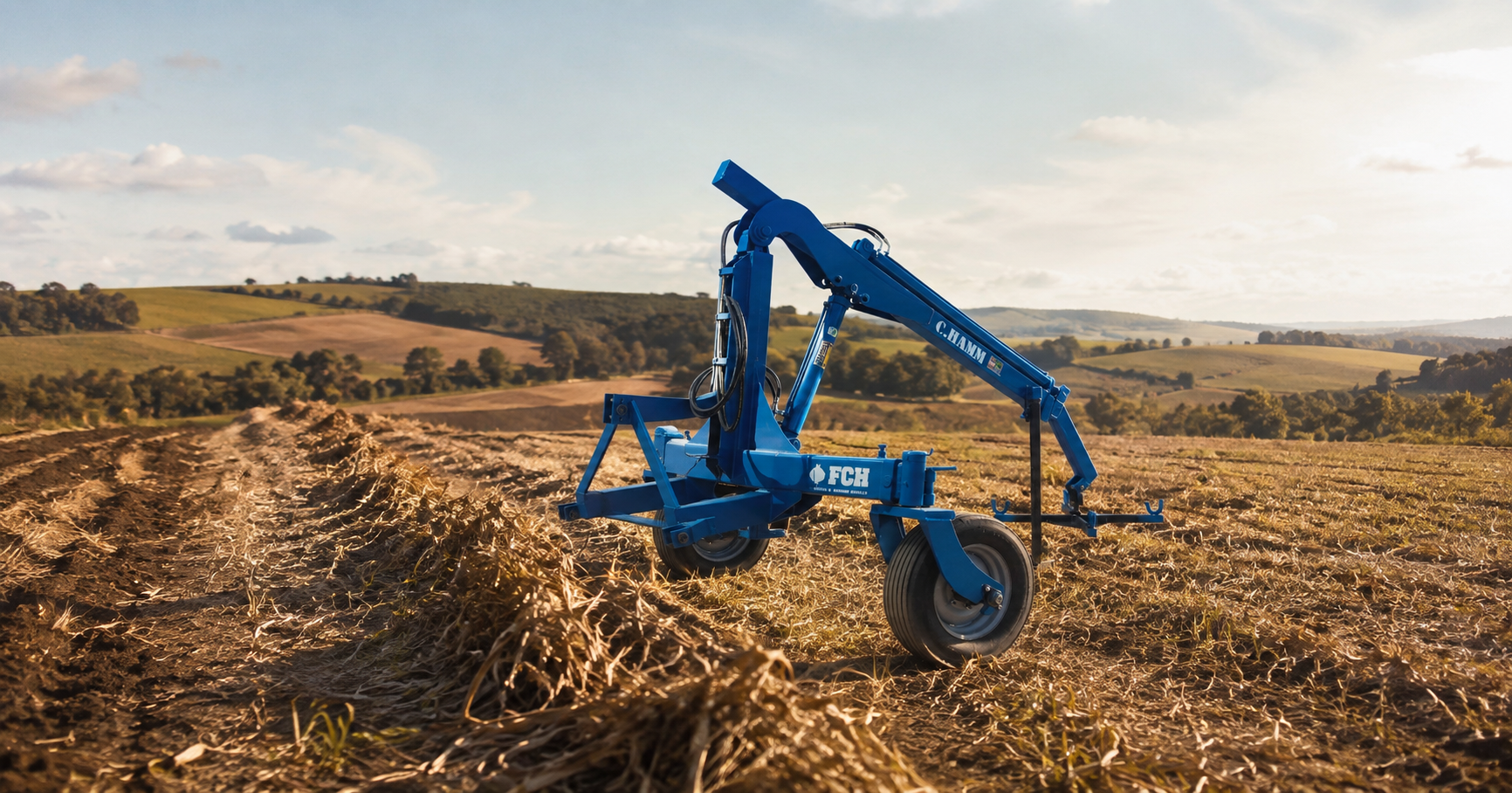
For more than two decades, FCHamm has developed solutions to modernize farm routines and raise productivity in the field. A national reference in mechanized onion harvesting, the company manufactures robust and reliable machines while offering complete support through high-quality maintenance, genuine parts and refurbishment services.
This commitment to performance and durability is part of what makes the brand relevant in Brazil and abroad. Another essential point is safety: its equipment strictly follows NR 12 standards and requirements, reinforcing confidence for growers who need efficient operations without compromising protection.
Alongside the grower, FCHamm continues to pursue the same mission that shaped its origin: driving progress in the field through quality technology, close partnership and constant evolution.
Conclusion
The labor shortage in onion harvesting is not a crisis limited to Brazil. It is already affecting growers in different countries and helps explain why markets such as Australia and Turkey are turning to mechanization solutions developed by FCHamm.
For producers who look seriously at the future of the sector, the message is clear: mechanization is no longer simply a matter of convenience. Today, it is a strategic choice to reduce costs, increase predictability and sustain competitiveness.
In a global environment of transformation, those who invest in productivity, reliability and technology gain more security to keep growing.
Talk to FCHamm
Want to understand how mechanization can strengthen your onion harvesting operation? Get in touch with the FCHamm team.
- Address: Estrada Geral Rio Batalha, Ituporanga, Santa Catarina, Brazil, ZIP 88400-000
- Phone: +55 (47) 3533-3112 / +55 (47) 98829-4318
- Email: [email protected]
- Social media: @fch.maquinasagricolas